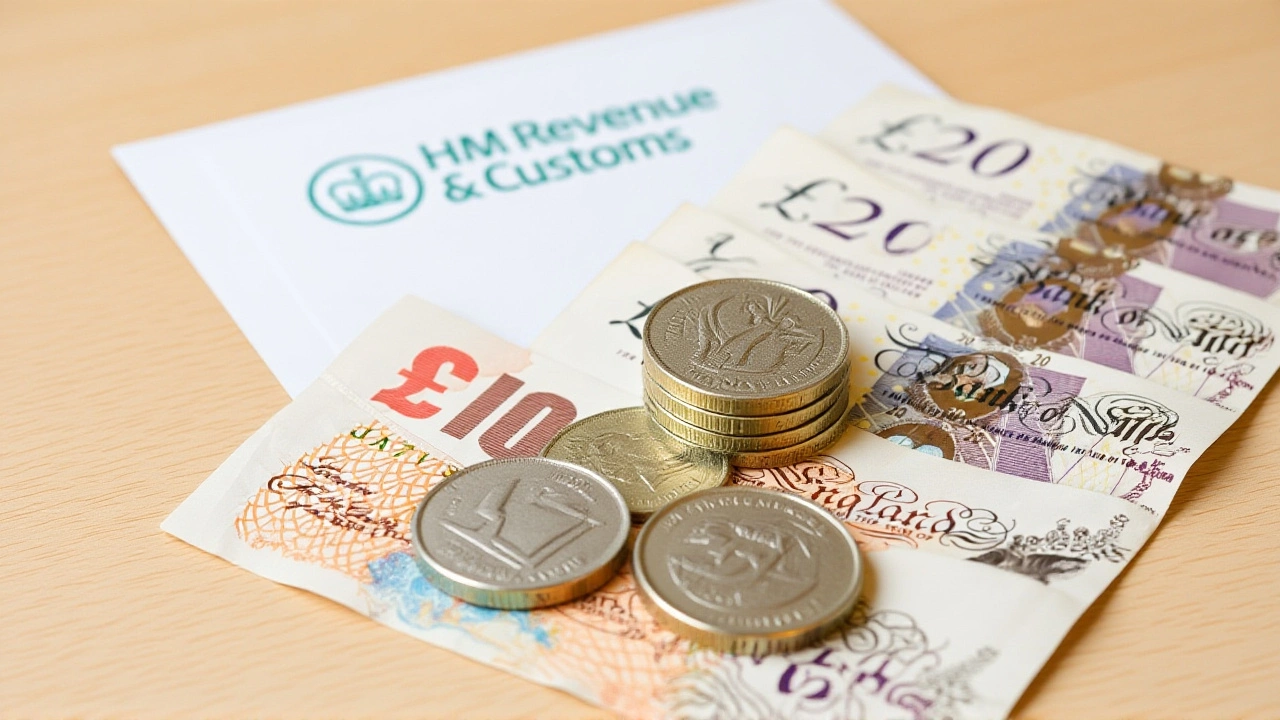
It’s a retirement planning nightmare that has lingered for nearly a decade. On 13 February 2026, HM Revenue and Customs (HMRC) finally patched its online state pension forecast tool after admitting it had systematically overstated future payouts for hundreds of thousands of Britons. The fix comes only after an investigation by The Daily Telegraph exposed the glitch, revealing that approximately 800,000 people were given false hope about their financial security in old age.
Here’s the thing: this isn’t just a minor rounding error. For years, the government’s official calculator ignored a crucial piece of history for many workers—specifically, those who had been "contracted out" of the additional state pension. As a result, these individuals believed they were on track to receive the full new state pension, currently set at £230.25 per week. Turns out, many of them are looking at significantly less.
The Contracting-Out Blind Spot
To understand why this happened, you have to look back at how the UK pension system used to work. Historically, certain employees could opt out of paying into the additional state pension if they had a private or workplace pension scheme. This was known as being "contracted out." In exchange for paying reduced National Insurance contributions during their working lives, these workers accepted lower state pension entitlements later on, assuming their private schemes would make up the difference.
When HMRC launched the "Check your State Pension" service in early 2016, it was supposed to be a one-stop shop for retirement planning. Users would log in, verify their identity with photo ID, and see a clear projection based on their National Insurance record. But the code behind the scenes missed a vital nuance. It treated years spent in contracted-out employment as standard full-contribution years. Essentially, the algorithm forgot to deduct the penalty for having paid less into the state system previously.
The twist is that this error didn't affect everyone. If you never participated in a contracted-out scheme, your forecast was likely accurate. But for those who did? The numbers were inflated. They saw a healthy pension figure and assumed they were safe. Many may have stopped topping up their own savings, relying on a number that simply wasn't there.
Scale of the Miscalculation
The scope of this blunder is staggering. According to data cited by media outlet Filmogaz, within just three years of the tool’s launch—by around 2019—approximately 360,000 people had already received incorrect estimates. By the time HMRC pulled the plug on the faulty calculation in February 2026, that number had ballooned to roughly 800,000. The Daily Telegraph put the potential impact even higher, suggesting almost one million people could be affected across the United Kingdom.
Why did it take so long? Government digital services often operate in silos, and without a major external push, internal audits can miss systemic logic errors like this one. The lack of immediate red flags meant that year after year, retirees-to-be logged in, nodded at the reassuring figures, and moved on with their lives. Now, the bill for that complacency is coming due.

What Happens Next?
So, what does this mean for you? If you are among the affected group, particularly those reaching state pension age after April 2029, HMRC has issued a stark warning: do not rely on your current forecast. The updated tool now includes guidance advising users to delay checking until the system can provide fully accurate calculations that account for contracted-out years.
For those who discover their projected income is lower than expected, there is a remedy, but it costs money. HMRC is encouraging affected individuals to pay voluntary National Insurance contributions to fill gaps in their records. The cost? Up to £907 per missing year. That’s a steep price tag for securing a weekly payout increase, forcing many to make difficult financial decisions late in their careers.
An unnamed HMRC spokesperson apologized for the confusion, stating, "We are sorry for the problems that some people have experienced with the tool." They emphasized that the update ensures forecasts for post-April 2029 retirees will reflect the true impact of contracted-out years. It’s a classic case of better late than never, but the damage to trust is done.
A Pattern of Pension Woes?
This incident doesn’t exist in a vacuum. It adds to a growing list of administrative headaches for UK retirees. Separately, the Department for Work and Pensions (DWP) has been conducting a massive correction exercise for historical underpayments. Between January 2021 and March 2025, the DWP identified 130,948 underpayment cases, totaling £804.7 million in back payments owed.
Moreover, other reports suggest software glitches have previously led to overcharging pensioners on tax, causing temporary cuts to their income. Consumer advocates, including voices like Martin Lewis, have long urged citizens to proactively check their National Insurance records via the GOV.UK portal. A five-minute check using old P60s or payslips could reveal discrepancies worth thousands. With the recent forecast error, that advice feels more urgent than ever.
Frequently Asked Questions
Who is affected by the HMRC pension forecast error?
Approximately 800,000 people are estimated to be affected, primarily those who were "contracted out" of the additional state pension through private or workplace schemes. These individuals received inflated forecasts because the tool failed to deduct the value of their reduced National Insurance contributions from their expected state pension.
When did HMRC fix the error?
HMRC implemented the technical update on 13 February 2026. The fix addresses the miscalculation of contracted-out years, ensuring that future forecasts are more accurate. However, the tool advises users reaching state pension age after April 2029 to wait for further refinements before relying on their projections.
Can I top up my National Insurance to fix my pension?
Yes, HMRC encourages affected individuals to pay voluntary National Insurance contributions to fill gaps in their contribution record. The cost is up to £907 per year. Each payment converts a partial or missing year into a qualifying year, potentially increasing your weekly state pension amount.
How do I check my current state pension forecast?
You can use the "Check your State Pension" service on the GOV.UK website. You must sign in with your Government Gateway account and verify your identity, often using photo identification. Note that the service is not available to those already receiving their state pension or who have deferred claiming it.
Is this related to the DWP underpayment scandal?
No, this is a separate issue. The HMRC error involved overstating future pension forecasts due to a coding flaw regarding contracted-out years. The DWP underpayment issue involves historical errors where retirees were paid less than they were entitled to, with £804.7 million in back payments identified between 2021 and 2025.